
Music That Moved Armies: How Sound Shaped the Battlefield
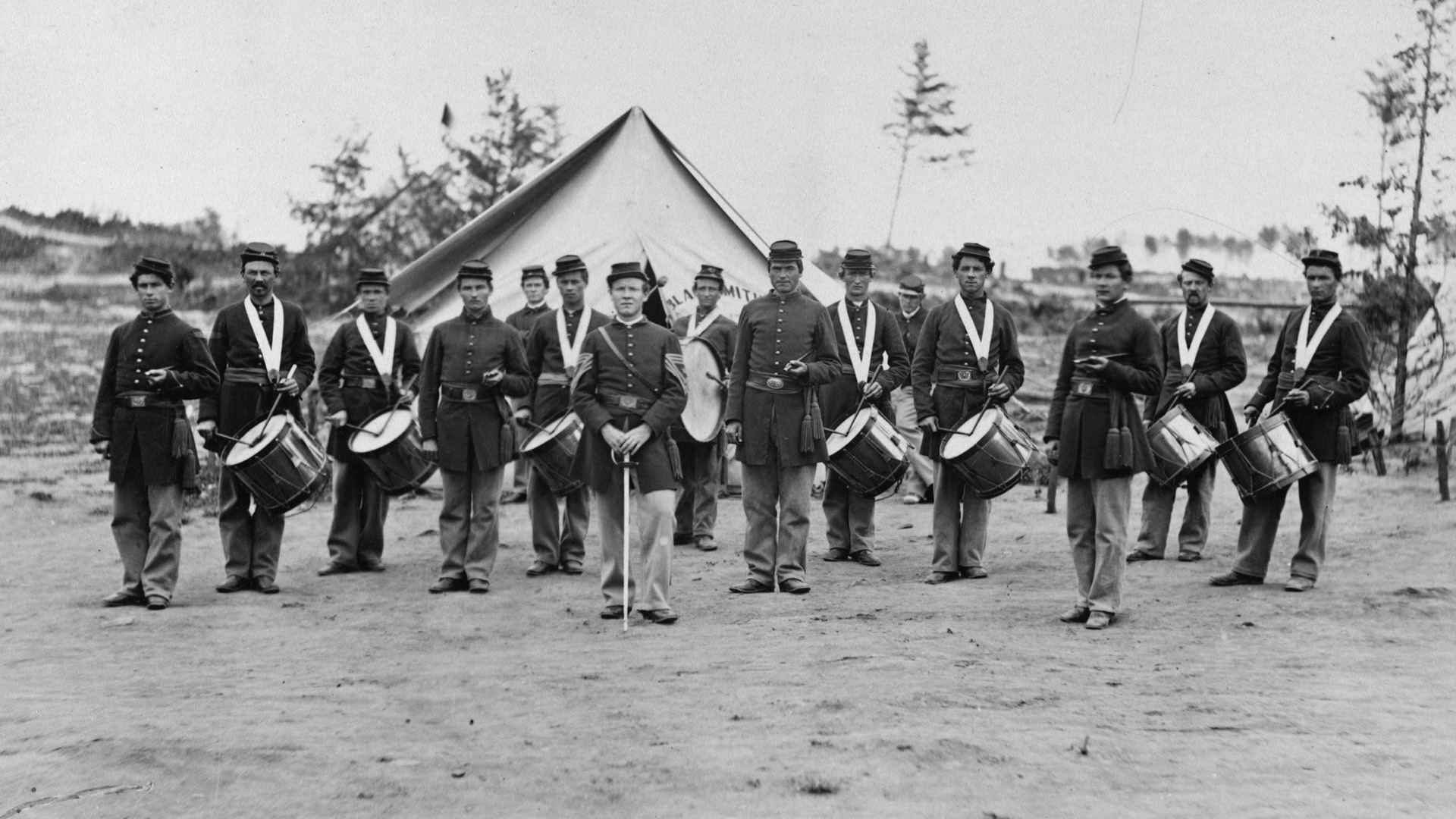
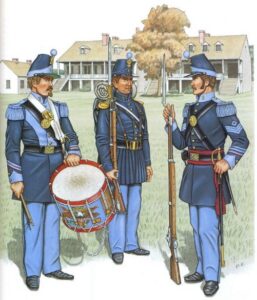 What if the most powerful force on a battlefield wasn’t a weapon, but a sound? Across Texas, historic sites like Fort Lancaster and San Jacinto preserve stories of soldiers who marched, maneuvered, and made life‑or‑death decisions guided by music. Instruments didn’t just accompany battle, they directed it.
In our September virtual program, discover how the rhythms, signals, and songs of military musicians influenced the course of history. Experts from Fort Lancaster and San Jacinto State Historic Sites will reveal how music moved troops into formation, motivated weary soldiers, and maintained control amid the chaos of combat.
Join us to gain a new appreciation for the sounds that shaped history.
PRESENTERS:
 Pamela Kouame is a native Texan, born and raised in North Texas. She pursued her undergraduate degree at Southern Virginia University, where she majored in history. She went on to earn her Masters degree in Art History from Syracuse University, living abroad in Florence for a year and completing her program in December 2019. Upon returning to the States, inspired by unique educational opportunities provided by the historic sites abroad, she turned her sights to the field of public history. She soon found her vocational calling in historic interpretation and became a Certified Interpretive Guide with the National Association for Interpretation in August 2020. Her first museum job was with the Jackson House Museum in Lexington, VA – first as a part-time museum assistant, then ultimately as the full-time Assistant Site Director and head of historic interpretation. She joined THC in November 2023 as the Lead Educator for the San Jacinto Battleground State Historic Site. She and her team at the battleground have implemented several new educational programs at the battleground since then, including Battle Beats, a program that explores the martial music of the Texian army at the Battle of San Jacinto.
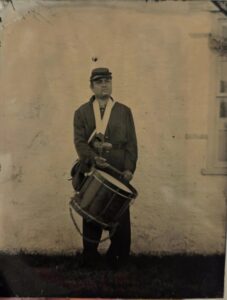 David Eli Martinez serves as Site Interpreter at Fort Lancaster and Battlefield State Historic Site, where he develops public programming and conducts research to advance interpretation of the fort and its role on the Texas frontier. His work bridges public history and military history, with a particular focus on the Battle of Fort Lancaster.
He holds a Bachelor’s Degree in History and a Master’s Degree in Public Affairs, and is currently pursuing a second Master’s Degree in History at the University of Texas Permian Basin. At Fort Lancaster, he leads a range of educational initiatives, including Reveille to Taps, a music-centered interpretive program that explores the role of military tradition and sound in shaping the soldier’s experience.
In recognition of his contributions to public history, David was nominated for a Rising Star award within the Texas Historical Commission. Beyond his work in the field of history, he maintains an active interest in music as a pianist and percussionist.